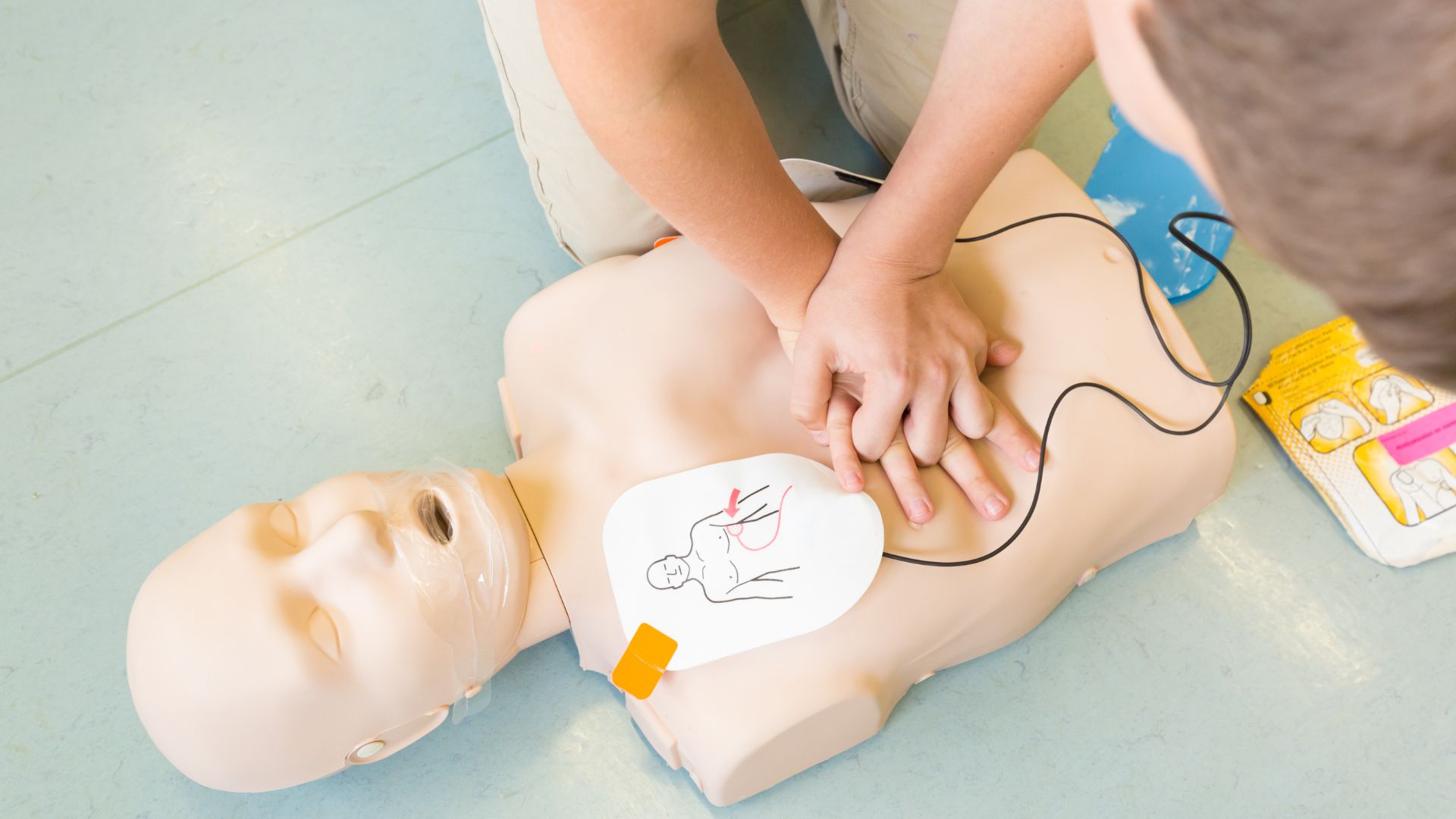
Cardiac emergencies can happen suddenly and without warning. When someone experiences sudden cardiac arrest, the heart stops pumping blood effectively, preventing oxygen from reaching the brain and vital organs. Immediate action is critical in these situations, and two lifesaving tools often work together to improve survival chances. Cardiopulmonary resuscitation and automated external defibrillators form the foundation of emergency response during cardiac arrest. People who complete CPR Certification learn how these tools work together to provide critical care while emergency medical services are on the way.
An automated external defibrillator, commonly known as an AED, is a portable medical device designed to analyze a person’s heart rhythm and deliver an electrical shock if needed. This shock can help restore a normal heartbeat during certain types of cardiac arrest. When CPR is performed alongside AED use, the chances of survival increase significantly.
Understanding what an AED is and how it works with CPR can help individuals respond more effectively during emergencies.
Understanding Sudden Cardiac Arrest
Sudden cardiac arrest occurs when the heart unexpectedly stops beating in a normal rhythm. This prevents blood from circulating through the body, which means oxygen is no longer delivered to the brain and vital organs.
Unlike a heart attack, which is caused by a blockage in blood flow to the heart, cardiac arrest involves a malfunction in the heart’s electrical system. This malfunction can cause the heart to stop pumping effectively.
When cardiac arrest occurs, the person may:
- Collapse suddenly
- Lose consciousness
- Stop breathing or gasp for air
- Have no detectable pulse
Without immediate intervention, survival chances decrease rapidly with each passing minute.
People who have completed CPR Certification are trained to recognize these symptoms and begin lifesaving care immediately.
What Is an AED?
An automated external defibrillator is a medical device designed to help restore a normal heart rhythm during sudden cardiac arrest. AEDs are portable and designed so that bystanders can use them safely in emergency situations.
The device analyzes the heart’s electrical activity and determines whether a shock is needed. If a shock is required, the AED delivers a controlled electrical pulse that can help reset the heart’s rhythm.
AED devices are designed with simple instructions so that even individuals without extensive medical training can use them.
Common locations where AEDs are found include:
- Schools and universities
- Airports and transportation hubs
- Office buildings
- Fitness centers and gyms
- Shopping centers and stadiums
Because these devices are widely available in public spaces, knowing how to use one can help save lives during emergencies.
How CPR and AEDs Work Together
During sudden cardiac arrest, the heart is unable to pump blood effectively. CPR helps maintain circulation by manually compressing the chest and pushing blood through the body.
Chest compressions help deliver oxygen to the brain and other vital organs until the heart can be restarted.
However, CPR alone may not restore a normal heartbeat. That is where AED devices play a crucial role. The electrical shock delivered by an AED can interrupt the abnormal heart rhythm and allow the heart to restart with a normal rhythm.
When CPR is combined with AED use, survival rates increase significantly.
People who maintain CPR Certification learn how to coordinate CPR with AED use during emergencies, ensuring that both methods are used effectively.
How an AED Is Used During an Emergency
AED devices are designed to guide responders step by step through the process. Most units provide clear voice prompts that instruct users on what to do.
The basic steps for using an AED include:
- Turn on the AED device.
- Attach the electrode pads to the person’s bare chest.
- Allow the AED to analyze the heart rhythm.
- Follow the instructions provided by the device.
- Deliver a shock if the AED advises it.
- Continue CPR between shocks until emergency responders arrive.
These steps are designed to be simple and easy to follow even in high stress situations.
Training through CPR Certification allows individuals to practice using AED devices so they feel more confident responding during real emergencies.
Why AED Access Matters in Public Spaces
Public access to AED devices has greatly improved survival outcomes for cardiac arrest victims. When AEDs are available in workplaces, schools, and community centers, bystanders can begin treatment before emergency responders arrive.
The combination of immediate CPR and early defibrillation greatly increases the chances of survival.
Many communities now encourage organizations to install AED devices in high traffic locations. These devices are often placed in visible cabinets so they can be accessed quickly during emergencies.
Knowing where AED devices are located and how to use them is an important part of emergency preparedness.
AED Safety and Ease of Use
One of the reasons AED devices are so effective is that they are designed to be safe and easy for anyone to use.
The device will only deliver a shock if it detects a heart rhythm that requires defibrillation. If a shock is not needed, the AED will not allow the user to deliver one.
This safety feature ensures that bystanders can use the device confidently without worrying about causing harm.
AED units also provide visual and audio instructions that guide responders through the process step by step.
Individuals who complete CPR Certification learn how to follow these instructions and coordinate AED use with CPR compressions.
Why CPR Training Includes AED Instruction
Modern CPR training programs typically include instruction on AED use because these devices are such an important part of emergency response.
During training, participants practice:
- Recognizing sudden cardiac arrest
- Performing chest compressions
- Attaching AED pads correctly
- Following device prompts
- Continuing CPR while waiting for emergency services
Hands on practice helps participants become comfortable using AED devices in simulated emergency scenarios.
Understanding how to combine CPR and AED use prepares individuals to respond effectively when real emergencies occur.
Building Safer Communities Through CPR and AED Awareness
When more people understand how CPR and AED devices work together, communities become better prepared to respond to emergencies.
Cardiac arrest can happen anywhere, including homes, workplaces, gyms, and public venues. Having trained individuals nearby increases the chances that someone will be able to begin lifesaving care immediately.
Encouraging CPR education helps ensure that more individuals are ready to respond when emergencies occur.
People who maintain CPR Certification become part of a growing network of trained responders who help protect community safety.
Final Thoughts on the Role of AEDs in CPR
Sudden cardiac arrest is a serious medical emergency that requires immediate action. CPR helps maintain blood circulation, while AED devices provide the electrical shock that can restore a normal heart rhythm. When these two lifesaving methods are used together, survival chances increase dramatically.
Completing CPR Certification teaches individuals how to recognize cardiac arrest, perform chest compressions, and operate AED devices safely. These skills allow bystanders to provide critical assistance during emergencies while waiting for professional medical help.
By understanding how CPR and AED devices work together, individuals can play an important role in protecting the health and safety of those around them.
Frequently Asked Questions
What does AED stand for?
AED stands for automated external defibrillator, a device used to help restore normal heart rhythm during cardiac arrest.
Can anyone use an AED?
Yes. AED devices are designed for public use and provide step by step voice instructions to guide responders during emergencies.
Is CPR still necessary if an AED is available?
Yes. CPR should be performed immediately during cardiac arrest and continued between AED shocks until emergency responders arrive.
Do CPR courses teach how to use AED devices?
Most CPR training programs include instruction on how to recognize cardiac arrest and use automated external defibrillators safely.