Los Angeles is famous for its vibrant culture, iconic landmarks, and endless opportunities for entertainment and business. It is also well known for one unavoidable reality: traffic. Whether traveling on the I-405, I-10, US-101, or navigating busy city streets, congestion can create significant delays for everyone on the road, including emergency responders.
When a sudden cardiac arrest occurs, every minute matters. While Los Angeles emergency medical teams work tirelessly to reach those in need as quickly as possible, traffic conditions can make response times unpredictable. During those critical first moments, family members, coworkers, friends, and even complete strangers often become the first line of defense.
Through CPR Certification, Los Angeles residents can learn the hands-on skills needed to perform bystander CPR and provide life-saving assistance until professional medical help arrives. The American Heart Association emphasizes that immediate bystander CPR can double or even triple a person’s chance of survival after sudden cardiac arrest.
In a city where every minute on the road can matter, knowing CPR can truly save a life.
Sudden Cardiac Arrest Requires Immediate Action
Sudden cardiac arrest happens when the heart unexpectedly stops pumping blood effectively.
Unlike a heart attack, which is caused by blocked blood flow to the heart muscle, cardiac arrest is usually an electrical malfunction that causes the heart to stop beating properly.
Common signs include:
- Sudden collapse
- Loss of consciousness
- No normal breathing
- No detectable pulse
Without CPR, oxygen-rich blood stops reaching the brain and other vital organs.
Brain damage can begin within just a few minutes, making immediate intervention critical.
Every Minute Without CPR Reduces Survival Chances
Time is one of the most important factors during a cardiac emergency.
For every minute that passes without CPR and defibrillation:
- Survival rates decrease significantly.
- Brain cells begin to die.
- Permanent organ damage becomes more likely.
Emergency medical services provide advanced care, but they cannot always arrive within those first crucial minutes.
Bystander CPR helps bridge the gap between the onset of cardiac arrest and the arrival of paramedics.
Los Angeles Traffic Can Create Unexpected Delays
Los Angeles has one of the busiest transportation networks in the country.
Heavy congestion can occur during:
- Morning commutes
- Evening rush hour
- Sporting events
- Concerts
- Construction projects
- Holiday weekends
- Major accidents
Even when emergency vehicles use lights and sirens, navigating crowded roadways can be challenging.
Traffic conditions reinforce the importance of having trained bystanders who can begin CPR immediately while emergency responders make their way to the scene.
Most Cardiac Arrests Happen Outside Hospitals
Many people assume cardiac emergencies happen primarily in healthcare settings.
In reality, sudden cardiac arrest often occurs in:
- Homes
- Workplaces
- Restaurants
- Shopping centers
- Gyms
- Parks
- Sporting events
- Public transportation stations
Because these emergencies frequently happen away from medical professionals, ordinary citizens often become the first people available to help.
Learning CPR through CPR Certification allows community members to step in during these critical moments.
Family Members Are Often the First Responders
Many cardiac arrests occur inside the home.
Parents, spouses, adult children, and grandparents are frequently the first individuals to witness the emergency.
Knowing CPR allows family members to:
- Recognize cardiac arrest
- Call 911 quickly
- Begin chest compressions
- Use an AED if available
- Continue care until EMS arrives
For many families, CPR training provides peace of mind and an added layer of protection for loved ones.
Workplace Emergencies Can Happen Without Warning
Los Angeles is home to countless businesses, offices, warehouses, and construction sites.
Medical emergencies in the workplace may involve:
- Cardiac arrest
- Choking incidents
- Electrical accidents
- Heat-related illnesses
- Severe allergic reactions
Coworkers who know CPR can provide immediate assistance while waiting for paramedics.
Many employers encourage CPR training because it helps create safer work environments and strengthens emergency preparedness.
Public Places Depend on Trained Bystanders
Large crowds gather throughout Los Angeles every day.
Busy locations include:
- Stadiums
- Shopping districts
- Beaches
- Airports
- Concert venues
- Tourist attractions
When a medical emergency happens in a public setting, trained bystanders can begin life-saving care before professional responders arrive.
The more people who know CPR, the stronger the community’s overall emergency response network becomes.
AEDs Work Together With CPR
Automated External Defibrillators are becoming increasingly common throughout Los Angeles.
AEDs can often be found in:
- Schools
- Airports
- Gyms
- Office buildings
- Hotels
- Shopping centers
- Sports facilities
CPR training teaches participants how to:
- Turn on the AED
- Place the pads correctly
- Follow voice prompts
- Continue CPR after defibrillation
Quick CPR combined with early AED use provides one of the best opportunities for survival during sudden cardiac arrest.
Hands-On Training Builds Confidence
Many people hesitate during emergencies because they fear making a mistake.
Common concerns include:
- Hurting the victim
- Forgetting the steps
- Performing CPR incorrectly
- Panicking under pressure
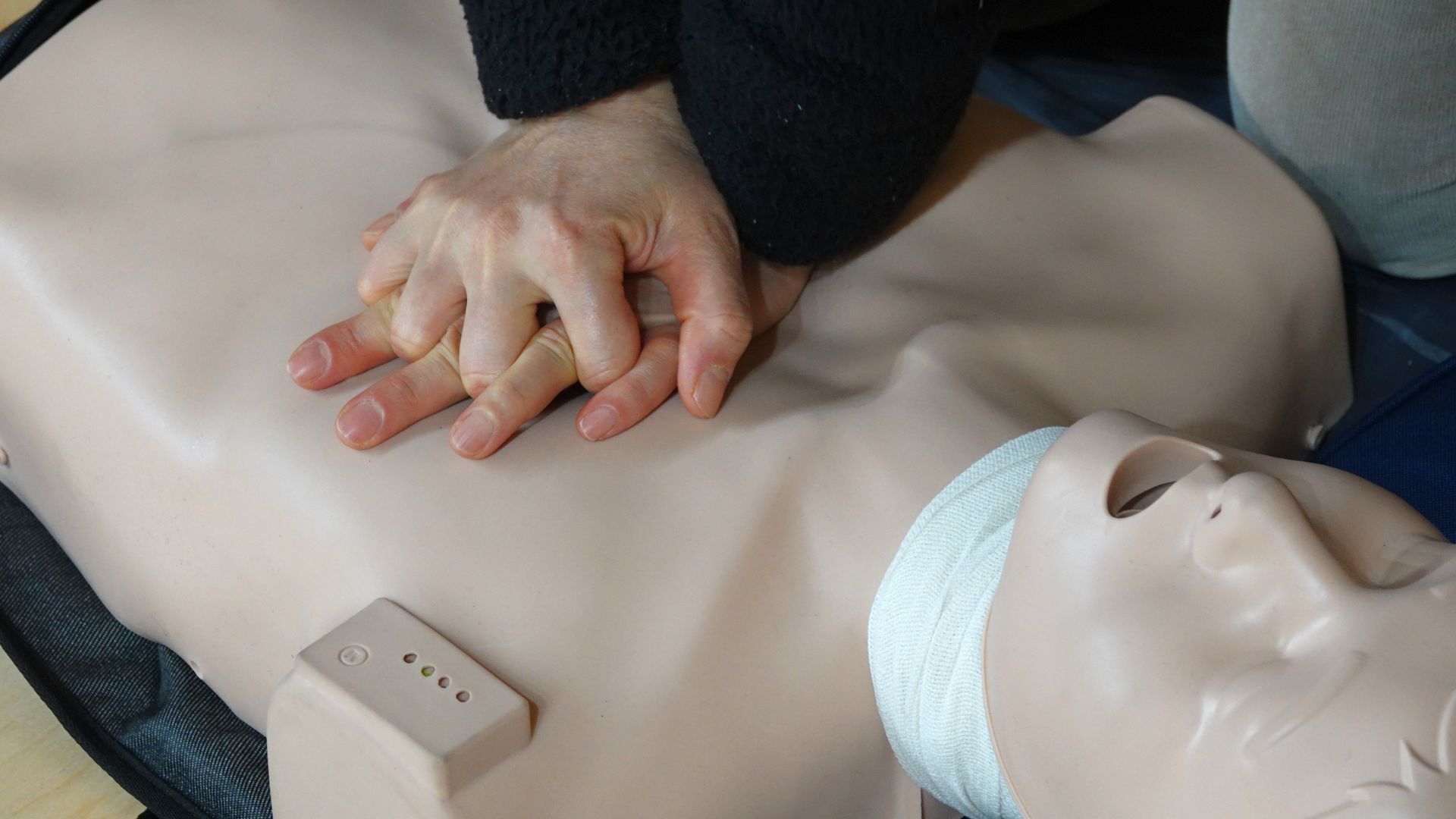
Hands-on instruction through CPR Certification helps reduce these fears by allowing students to practice:
- Chest compressions
- Rescue breathing
- AED operation
- Emergency scene assessment
Practical experience builds confidence and helps create the muscle memory needed during real emergencies.
CPR Training Benefits the Entire Community
Every person who learns CPR becomes another potential lifesaver.
As more Los Angeles residents receive CPR training:
- Families become safer.
- Workplaces improve emergency preparedness.
- Schools gain additional protection.
- Public spaces become more resilient.
Community-wide CPR education helps ensure that someone nearby may be able to provide assistance when seconds matter most.
Bystander CPR Helps Until Paramedics Arrive
CPR is not intended to replace professional medical care.
Instead, it helps maintain circulation and oxygen delivery until advanced treatment becomes available.
Paramedics provide:
- Advanced airway management
- Cardiac monitoring
- Medication administration
- Defibrillation
- Emergency transport
Bystander CPR helps preserve the victim’s chances of survival during the valuable time it takes emergency responders to reach the scene.
CPR Skills Are Valuable Beyond Cardiac Arrest
Many CPR courses also teach participants how to respond to other emergencies, including:
- Choking
- Drowning
- Respiratory emergencies
- Severe allergic reactions
These additional skills help individuals prepare for a wide variety of unexpected situations they may encounter at home or in public.
CPR Training Creates Peace of Mind
Many people never expect to use CPR, but they appreciate knowing they are prepared.
Parents, grandparents, teachers, coaches, and everyday citizens often report that CPR training helps them feel:
- More confident
- Better prepared
- Less anxious about emergencies
- More capable of helping others
The knowledge that you could potentially save a life is one of the greatest benefits of CPR education.
Hands-On Learning Makes the Difference
Reading about CPR or watching online videos can introduce basic concepts, but practical experience is essential.
Hands-on classes allow participants to:
- Practice proper compression depth
- Learn correct hand placement
- Perform rescue breaths
- Use an AED
- Work through realistic scenarios
Training through CPR Certification helps Los Angeles residents develop the skills and confidence needed to respond effectively when every second counts.
Final Thoughts About Bystander CPR in Los Angeles
Traffic delays are an unavoidable part of life in Los Angeles, and while emergency responders work incredibly hard to reach people quickly, every minute during a cardiac emergency is precious. Bystander CPR helps bridge the gap between the onset of sudden cardiac arrest and the arrival of professional medical care.
Through CPR Certification, Los Angeles residents can gain the hands-on skills needed to recognize emergencies, perform CPR, use an AED, and provide immediate assistance when someone’s life depends on fast action. In a city where traffic can slow almost everything else down, knowing CPR gives ordinary people the ability to make an extraordinary difference.
Frequently Asked Questions About Bystander CPR in Los Angeles
Why is bystander CPR so important?
Bystander CPR helps maintain blood circulation and oxygen delivery until emergency medical professionals arrive.
Can Los Angeles traffic affect emergency response times?
Heavy traffic, road construction, and large public events can sometimes create delays for emergency vehicles.
What is sudden cardiac arrest?
Sudden cardiac arrest occurs when the heart unexpectedly stops pumping blood effectively, causing loss of consciousness and cessation of normal breathing.
Can ordinary people perform CPR?
Yes. CPR training is designed to prepare everyday individuals to respond during emergencies.
What is an AED?
An Automated External Defibrillator is a portable device that analyzes heart rhythms and can deliver a life-saving shock during certain cardiac emergencies.
Does CPR training include AED instruction?
Yes. Most comprehensive CPR courses include hands-on AED training along with CPR techniques.
How long does CPR certification last?
Most CPR certifications remain valid for two years before renewal is recommended.
Can CPR training help in emergencies other than cardiac arrest?
Yes. Many CPR courses also include instruction for choking response, drowning emergencies, and other situations where immediate intervention is needed.