In a city as large and fast-paced as Los Angeles, emergencies can happen anywhere and at any time. From busy freeways and workplaces to beaches, gyms, and public events, sudden medical situations often occur without warning. When they do, the first few minutes are critical, and the people nearby become the first responders.
Understanding CPR is important, but being able to perform it under pressure is what truly saves lives. That is why hands-on training matters. Enrolling in an in-person CPR Certification course ensures you are not just learning CPR, but actually preparing to use it in real emergencies.
The Reality of Cardiac Emergencies in Los Angeles
Cardiac arrest is one of the most urgent medical emergencies, and it happens more often than many people realize.
In Los Angeles County:
- Thousands of out-of-hospital cardiac arrests occur every year
- Nearly 9 out of 10 people do not survive without immediate help
These numbers highlight a critical issue. Many victims do not receive CPR quickly enough, even when people are nearby.
The gap between an emergency happening and help arriving is where bystanders make the biggest difference.
Why Immediate CPR Makes the Difference
When someone collapses from cardiac arrest, the heart stops pumping blood to the brain and vital organs. Without oxygen, damage begins within minutes.
Research consistently shows:
- Immediate CPR can double or triple survival chances
- Each minute without CPR reduces survival significantly
- Less than half of victims receive CPR before EMS arrives
This means that bystander action is not just helpful. It is essential.
The Problem With “Knowing” CPR Without Practice
Many people believe that watching a video or reading instructions is enough to learn CPR. In reality, CPR is a physical skill that requires precision and repetition.
Without hands-on training:
- Compressions may be too shallow or inconsistent
- Timing and rhythm may be incorrect
- Confidence is often low in real emergencies
Even small mistakes can reduce the effectiveness of CPR when it matters most.
Hands-on training bridges the gap between knowledge and action.
Why Hands-On Training Is Different
In-person CPR training focuses on doing, not just learning. It gives you the opportunity to physically practice the techniques you will need in an emergency.
During hands-on training, you:
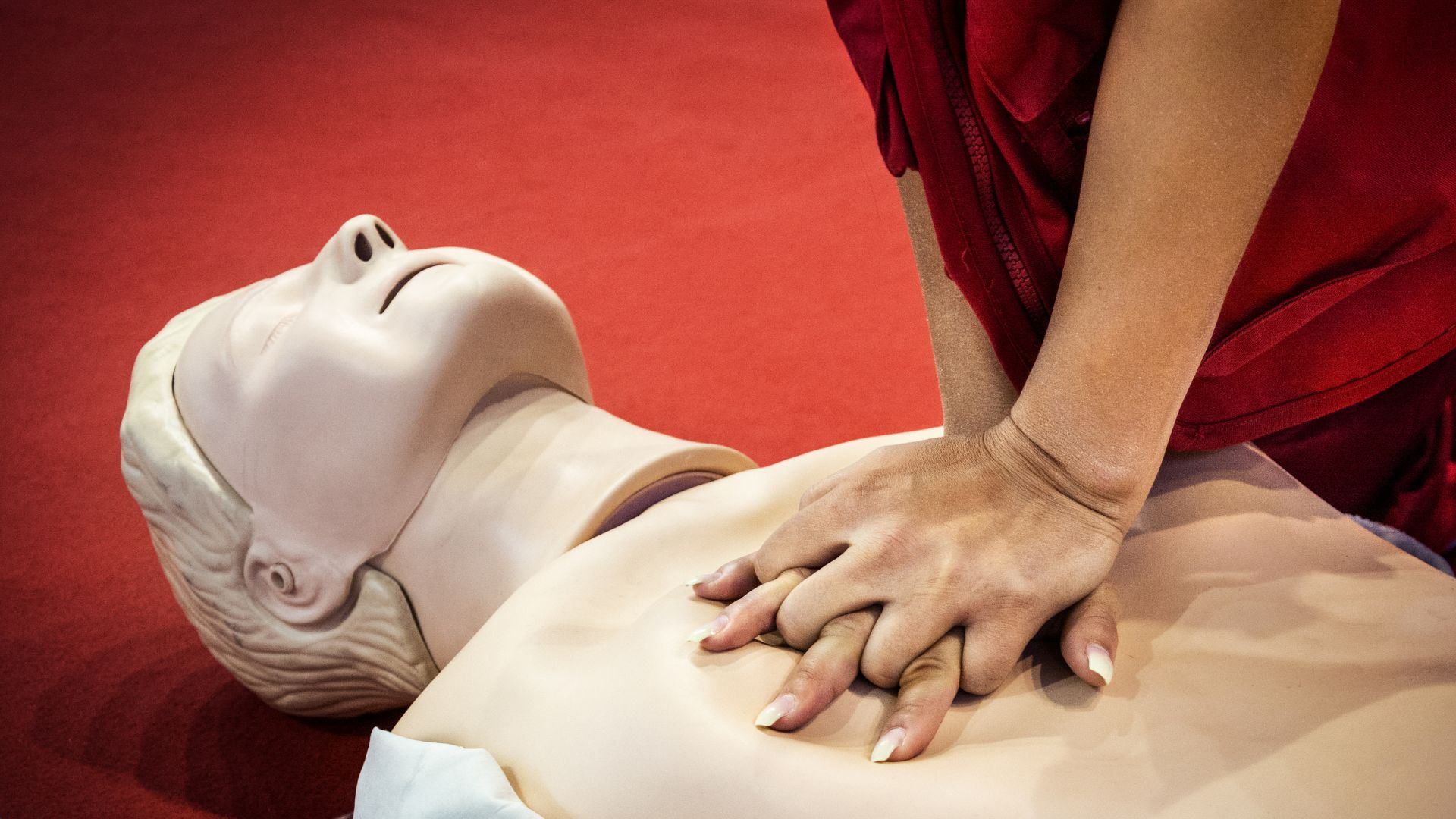
- Practice chest compressions on mannequins
- Learn correct depth, speed, and positioning
- Receive real-time feedback from instructors
This type of training ensures you are performing CPR correctly, not just going through the motions.
Muscle Memory: The Key to Acting Under Pressure
In a real emergency, stress levels are high and time is limited. You will not have time to think through every step.
Muscle memory allows you to:
- Start CPR immediately without hesitation
- Maintain proper technique under pressure
- Stay focused in a chaotic environment
Hands-on training builds this muscle memory through repetition, making your response automatic.
Why Confidence Matters in Emergencies
One of the biggest reasons people do not perform CPR is hesitation. Even when someone knows what to do, they may feel unsure or afraid of making a mistake.
Studies show that many cardiac arrest victims do not receive bystander CPR because of:
- Lack of confidence
- Fear of doing something wrong
- Uncertainty about proper technique
Hands-on training eliminates these barriers by giving you real experience and feedback.
Confidence is what turns knowledge into action.
Los Angeles Environments Increase the Need for CPR Training
Los Angeles presents unique challenges that make CPR training even more important.
Consider the environments where emergencies can occur:
- High-traffic areas like downtown and public transit
- Outdoor activities such as hiking, beaches, and sports
- Large events and crowded venues
In these situations:
- Emergency response times can vary
- Crowds can delay access to victims
- Immediate bystander action is critical
Having trained individuals nearby can significantly improve outcomes.
The First Few Minutes Are Everything
During cardiac arrest, the first few minutes are the most important.
Without intervention:
- Brain damage can begin within 4 to 6 minutes
- Survival chances decrease rapidly
- Delays can lead to permanent injury or death
CPR keeps blood and oxygen flowing to the brain, buying time until emergency responders arrive.
This is why immediate action is so important.
Why Online Training Falls Short
Online CPR courses can provide useful information, but they cannot fully prepare someone for a real emergency.
Limitations of online training include:
- No physical practice
- No feedback on technique
- Lower confidence in real situations
CPR is not just a concept. It is a physical skill that must be practiced.
In-person training ensures you are ready to perform, not just understand.
Real-Time Feedback Improves Performance
One of the biggest advantages of hands-on training is immediate feedback.
Instructors can:
- Correct your hand placement
- Adjust your compression depth
- Improve your timing and rhythm
This ensures that you are performing CPR effectively, which directly impacts survival outcomes.
Why Repetition Matters
CPR skills can fade quickly without practice. Even trained individuals may struggle to perform CPR correctly months after learning it.
Hands-on training emphasizes repetition, which helps:
- Reinforce proper technique
- Improve consistency
- Increase long-term retention
The more you practice, the more prepared you will be.
The Role of Community Training in Los Angeles
Los Angeles has made efforts to increase CPR awareness and training across the community.
Initiatives aim to:
- Train large numbers of residents in CPR
- Improve bystander response rates
- Increase survival outcomes
These efforts highlight the importance of widespread training in a city where emergencies can happen anywhere.
Why Everyone Should Learn CPR
CPR training is not just for healthcare professionals. Anyone can be in a position to save a life.
People who benefit from training include:
- Parents and caregivers
- Teachers and school staff
- Fitness trainers and coaches
In a city like Los Angeles, where people are constantly interacting, anyone could be the first person on the scene.
The Psychological Impact of Being Prepared
Training does more than teach physical skills. It also prepares you mentally.
CPR training helps:
- Reduce panic during emergencies
- Improve focus and decision-making
- Increase confidence in high-stress situations
This mental readiness is just as important as physical ability.
Why Businesses and Workplaces Should Prioritize Training
Workplaces in Los Angeles are often busy, high-traffic environments where emergencies can occur.
Having trained employees:
- Improves response times
- Increases safety for staff and customers
- Reduces liability and risk
Group training programs help ensure multiple people are prepared to respond.
The Long-Term Value of CPR Training
CPR training is not just useful in emergencies. It is a skill that stays with you for life.
It can be used:
- At home
- In public spaces
- At work
This makes it one of the most valuable skills you can learn.
Why In-Person Training Is Worth the Time
Most in-person CPR classes can be completed in just a few hours, but the impact can last a lifetime.
In that short time, you gain:
- Life-saving skills
- Real-world confidence
- The ability to help others in critical situations
It is one of the most important investments you can make in your safety and the safety of others.
Final Thoughts on CPR Training in Los Angeles
Emergencies are unpredictable, but your response does not have to be. In Los Angeles, where cardiac arrests and medical emergencies happen every day, being prepared is essential.
Hands-on CPR training provides the skills, confidence, and readiness needed to act when every second counts. It transforms bystanders into lifesavers and turns uncertainty into action.
By enrolling in an in-person CPR Certification course, you ensure that you are ready to step in and help when it matters most. In Los Angeles, that preparation could mean saving a life.
Frequently Asked Questions About CPR Training
Why is hands-on CPR training important?
Hands-on training builds muscle memory and confidence, making it easier to perform CPR correctly in emergencies.
How effective is CPR in saving lives?
CPR can double or triple survival chances when performed immediately.
Can I learn CPR online?
Online courses provide knowledge, but hands-on training is needed for real-world readiness.
Who should learn CPR in Los Angeles?
Anyone can benefit, especially those in active or high-traffic environments.
How long does CPR certification last?
CPR certification typically lasts two years before renewal.
What is the biggest challenge in CPR emergencies?
Hesitation is the biggest challenge, which is why hands-on training is essential.